**[00:00:01]**
Armando: Hello everyone. My name is Armando Perez-Carreno, welcome to The Web Talk Show. Today with us is Hugh Massie. He's the executive chairman and founder of DNA Behavior International. Welcome Hugh, how are you?
Hugh: Great to be with you Armando. Feeling fantastic.
Armando: Oh that's always great to hear. Can you tell us a little bit about first DNA Behavior International and then how you got to this point?
Hugh: So DNA Behavior International is a behavioral intelligence platform and we help any person in the world discover their behavioral identity and from from that we're then able to help them either as leaders work with all of their with their teams and then also work with their clients. We do a lot of work in the wealth management industry. We're starting to work with other professional services firms as well. You know we've got quite a lot of business coaches that use our system, consultants that that are all looking to understand the behavior of their of their clients as well. So you know that's a key differentiator and particularly in wealth management where money is a big issue. We've built the system or modules in the system to help people understand how they deal with money, the types of decision making biases that that come up. The I think the reason that I got into all of this is not because I studied psychology at university or though I wish I did. I actually started in the opposite. I started off as an accountant, CPA. But even then in that journey I realized that in providing tax advice to people that everyone has a different learning style. Everyone wants to be communicated with It's not about intellectual capabilities.
**[00:02:02]**
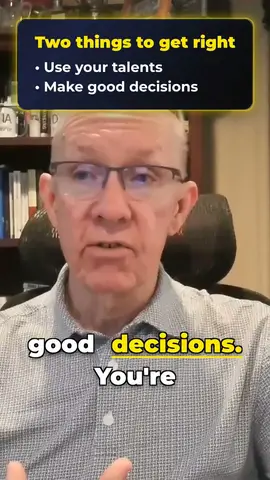
It's if you just take you know a group of people with the same intellectual capabilities and you put a set of case facts in front of them, they're all going to respond differently. They're going to have different biases and they need the message communicated differently, you know whether it's in one page in a diagram or it's in you know lengthy with lot of research. We all go to different places and in dealing with a problem and we come up with different conclusions and therefore you know really the art here and the science is to uncover what motivates each person, how how they're wired, how they you know are going to are going to make decisions. So that's really the genesis of it. But I got there because one you know I had my CPA career, then I set up a wealth management business which was having the goal of personalizing the experience in a way in which a bank or a wealth manager was not doing at the time. But I didn't know how necessary I would I would do it other than that this was important. But as I went along I realized that I wanted to help people become financially self-empowered. And I think that even if you take the financial piece off Armando, empowerment's really important. And giving giving people the toolkit and the skills and capabilities to flourish in life to make the most of themselves and you know with that in mind I realized that a person creates wealth from the use of their talents. And your talents come from from your behavioral style. They're they're part of who you are. So it's a matter of becoming aware of them and learning how to use them in something that's meaningful for you, that you're passionate about.
**[00:04:09]**
The second part is learning to make good decisions. You're not going to be perfect in every in every case. No one is. And if you can make good decisions and you can protect your wealth, you can you can you know build your life. And if you get those two things right, you reduce stress. And stress is what accelerates aging. And aging, you know, is the cause of most diseases out there. So you know, I'm dealing with maybe I'm considered by a lot as a very rational person, but you know, human behavior isn't isn't isn't isn't fluffy stuff. It's actually it's actually tough. And we're dealing with the core issues of life. And it doesn't matter what scenario you're dealing with, human behavior is relevant. And because it's humans that make the decisions even in this world of AI. AI is infused with the decision making of humans. So you know, I think if you if you piece all that together, that's really what I'm dealing with. That's what DNA behavior is dealing with. And we want to you know, deploy our system at mass scale. It's not just intended to be you know, one-on-one coaching, which or one-on-one hiring, which is the traditional use of behavioral instruments. That's still important stuff. I don't want that to come across as diminishing that, but I think we can go further. And it's you know, how is this mass scaled through an organization and through all of its clients to optimize performance.
**[00:06:11]**
But not just performance in a bottom line rational sense, you know, optimize relationships. If you optimize relationships, performance is better. You've got happier people, more psychologically safe workplace, the customers are happy, the employees are happy. You know, it's the it's the full you know, it's the full circle of everything. So if that that maybe that gives you a bit to work with and the listeners to think about.
Armando: There Well, there's a lot to think about there. Behavior
Hugh: Is everything and that's sort of becoming a theme for me to be honest and I know I just jumped in there, but I'm as I'm really reflecting is behavior is everything in the sense that it affects everything and you know, can you can you measure its impact in everything? There's a lot of indicators of where you can but there's also, you know, one of the issues is there's a lot of noise as well that gets in the way and there's a lot of other factors that might might cloud how much impact it's having, but it's there all the time. And so therefore it's important to understand it and harness it.
Armando: When people think about their employees, their staff and they complain about performance or lack of excitement from the staff, they see it as an outside thing. Like why why aren't they behaving the correct way? And I think and you can give us insights into this, a lot of it has to do with the core of how the business was structured and how they started bringing people in without maybe a good foundation.
**[00:08:17]**
Hugh: I think that's a very important point that you've made and very insightful. I think that a lot of the time people are brought into a role that's not properly defined. That's one issue. So you know we can talk about you know hiring people and recruiting a person into a role you know one cardinal mistake is not knowing enough about the person before you bring them into the role but I think the bigger cardinal mistake is not defining the role clearly enough in terms of what the person's got to do, what talents they've got to have which is behavioral part, what skills they need to have that's not behavioral and then what the goals are and objectives and then just looking at the person in their in the environmental setting that they're coming from you know I'm watching people at the moment that on paper would be great performers in certain areas but they've got a million distractions going on and they don't know how to manage the distractions. Well that's a problem. I don't know that that's actually the employer's problem but you've got to understand that full picture but that but I think the next issue that we've got in today's day and age is that roles are changing to four times a year because the business has got to change and adapt with AI. And you know I think there's some roles that probably change less and others more but you've got to know then you got to know that and you know you 've got to have enough of the of the team being adaptable not just in personality but in mindset to deal with that.
Armando: That's very well said. One of the things that I see a lot because we work a lot with AI is the lack of defining something.
**[00:10:25]**
I think a lot of people will will start seeing this in their day-to-day as they interact with AI. What you said about a job role is very clear when it happens. Someone comes in and it seems like nothing really gets done because it wasn't properly defined. And I and I see this parallel with AI where it's so easy to have it do things that sometimes we don't stop and define properly. And when you do that, you get you could build this let's talk about an application. You could build this huge application. But since you didn't actually have anyone define what it should do in total and what the good outputs would be, then you get this thing where it 's like confusing even for the person who created it. They're like, well, I'm not really sure how this works or what this part or what the user journey should be because they never stopped to actually define it. And so while it might work, it's still like it's a muddy thing that that you don't really know how to explain. Does that make
Hugh: Yeah, I think that there's you know, unfortunately, and this is probably happening in bigger organizations, the CEOs seeing AI be deployed everywhere. Well, gee, we've got to get we've got to have we've got to have a strategy. We've got to be seeing, you know, the board's expecting that we're using it. You know, and it's easy to go to the CTO and say, well, everybody needs to have the tools. And then and then you say to the CFO, well, we've got to you know, we've got to pay for it and we should get it back in increased productivity and really the other word now is effectiveness, which is revenue, right? In some way. And everybody's thrown the you know thrown the toolkit and they go and start building stuff, experimenting and suddenly you've got hundreds and thousands of different tools and products and processes out there, none of them probably talking to each other.
**[00:12:35]**
Now some of them could be of value. But somebody's it's a very bottom-up approach and it's sort of the lazy approach, I think. And really what this need you know what AI needs is very strategic definition, planning. Where's the organization going to be in the future? How can we really optimize it? And how and how do we reinvent you know with that how do we reinvent the business? And that's then going to require the right collaboration between the CEO, finance, technology, data people and the and the human resource part, right? Because you've got to motivate people to use these new systems and tools the new way. You can't just say well go and work out you know go and be more productive. And then if you are, push gee you're going to lose your job because it 's not needed anymore. That's just because someone someone's not looked at the business properly or you haven't figured out how to be more productive and you're suddenly fired because you look like you're you're not trying. Well that's bad, right? So you know there's psychological safety issues in there, but there's also business leaders potentially cutting off arms and legs because they think well gee we've deployed AI so therefore we don't need 20 to 30% of the workforce. It might be they don't need 60% and it might mean they actually should hire more people because now here's a growth path that's been defined. But that's not being worked through. I know it's very challenging because you know I even see in our business we're able to do things but we've been sort of experimenting and working with the AI and being quite strategic about it the whole time we're able to do things today that that even in the last three months we couldn't have done six months before.
**[00:14:44]**
Armando: Yes.
Hugh: And you know it's it's quite it's quite amazing and the only barrier between you know being able to do something that's more futuristic and not is actually mindset. Most of most of it the technology is actually all there but it needs a strategic plan and that's a bigger and big that's a big issue for bigger organisations. You know there's no doubt this it this is not this is not simple but I think it's not just a AI is not just a tech issue it's very much a data issue and it's very much a human issue.
Armando: Yes.
Hugh: And if the data is wrong you know very simple expression wrong data in wrong data out. You got and there's going to be some massive mistakes come because of that. But it's also human. Where's the human in the loop? Where where does human where do human beings exercise judgment? People depending on the business want to talk to humans. You know so you've got you it's it's an interesting world but I don't think humans are obviated because we've now got AI. But you can create you know as I as we're starting to do we've created in our own business, but we're also working with others that are doing it, that you can have an AI brain or an AI operating system in your business. I'd like to expand it to be a behavioral operating system so that that it's reflecting the humans in there. But you can have you can have all of that today in your business.
**[00:16:45]**
It doesn't matter what size you are, right? Really it's for every team.
Armando: And one of the things that people forget to talk about, maybe because it's not as sketchy for the news, is what you just said earlier about the growth pattern. So while it might make you not need as many people for specific things, at the same time, it might make you more revenue. And so now you need more people attending other things. And so in many cases, it's a growth pattern, not a let me remove everyone. Because if one looks at the logic and the math of it, in reality, it's not making you lose. It's making you win. And so if it's helping you grow, then it would follow that if the business wants to keep growing, then things might shift, of course. But
Hugh: You know, I yeah, I do a lot of Armando, a lot of work in financial services wealth management, not exclusively, but that's where we do quite a lot of work. And everybody's looking at how they make their firms more productive and therefore can we increase the capacity of the advisors, you know, instead of looking at after 100 clients, maybe they can look after 200, right? And freeing up, you know, 20 30 hours a week, right? That can be done with AI tools, but it needs very it needs the firms to be well structured with the tech stack, everybody to be trained, have the right mindset. But that can but that then that's growth, right? You could now you know while wealth management firms have typically sort of chased the 1 million and up type clients, there's a whole market there that's underserved with financial advice.
**[00:18:48]**
It's just a matter of them what strategy do you want to adopt to serve that. AI can play you know a big role and then we've got even if the industry doesn't change and everybody still chases the person with a million dollars, the statistics out there are saying we're short 100,000 advisors even in this AI environment. So for the firms that want to get this right, there's plenty of opportunity out there and there's plenty of opportunity to add the number of people on the teams, but there's also plenty of opportunity to expand the business to serve market segments that are underserved and do it very profitably. So and I think that's true in pretty much every industry in some way, you know, and so therefore that's what you know AI can do now. And but it needs planning as well and it needs to one needs to think through what are the right people to do that, right?
Armando: There's there's two points there that I think are very important. One being that certain companies like just said never attack a specific segment because it would have been costly for them to do it for that lower segment based on percentages, revenue, whatever. But with AI now it makes sense because many of the tasks can be performed autonomously to a point with the human in the loop of course, but then you can help people that interestingly enough maybe weren't in the segment, but by you giving them that advice will get into that segment pretty soon and maybe even expand further.
**[00:20:53]**
Hugh: Yeah. Yeah. I think so. I and you know, I think it's a matter of time because also because of AI people expect in a way to pay less because they you know, why should the productivity gain go to all to the firm you know, the organization providing the service. I think the consumer is looking to get something back. Now you know, there's arguments on all sides of that. If you're able to if you're if you're good enough to deliver value for the person and do it more profitably why not keep the profit? So you know, I'm not you know, I'm I can see both sides of it, but I think also if consulting firms are just charging clients for an agent at $500 an hour and there's no human input at then I think that's starting to not be very client centric put it that way.
Armando: Yes.
Hugh: If the human is able to deliver really good advice right well, maybe they can charge $1,000 an hour rather than $500 an hour, right? For for for that advice because they've used the tools if that's value to the client. And let's face it, you know, I would consider myself an expert in certain areas if the if the if the AI tools help me get to that place quicker and more incisively, saying. I think in some areas it should be more expensive. In other areas you can't be what I call ripping people off and charging for for a robot you know that that that's potentially wrong.
**[00:23:03]**
Armando: I agree. I think there's that variance between industries of course, but in the industries where the value is an outcome and that's what the person wanted and that's what the person wanted to pay for and they can now get it in two days instead of two months, they'll happily pay more for it because they wanted the outcome. They don't care how it's made.
Hugh: Yeah, and you know I was talking to a consulting guy yesterday. I was in at a conference in New York and you know we were talking about this and that you know his firm is boutique, smart people, but a 100-person consulting firm, you know in New York versus McKinsey, that's a you know a behemoth Goliath in the industry. But their firm can step in and do stuff in two to three days that McKinsey would go would would would you know spin out eight to 10 juniors and some partners and take eight weeks on. Well, no one's going to pay for that. I think this is that's where you know the issues are. But the smaller firm now can can can if they've got the right people and they've got expertise can get in there and deliver what's needed at a cheaper price, but for the client but for them they might still be making higher profit. Right? And, you know, so I think that there's a lot of industries ready to be disrupted. Mindsets have got to change. And there's going to be more transparency.
Armando: I think
Hugh: As well.
Armando: Yes.
Hugh: Come with this.
Armando: Yes. For sure. And people have to start and think also whether what they want as a consumer or a client is do I want that team of juniors assigned to me because the experts are super busy and can never get to me or do I want access to the expert with the tools because now they can actually give me the support.
**[00:25:23]**
Yeah. What do you want? One of the things that we have seen happening in the space you mentioned at the beginning of our conversation, the bottom-up approach. And so in some cases bottom-up is good, in some up cases it's not as good, in some cases top-down is not good. In some cases it's very good. You need strategic planning. However, we've seen that when people are able to propose certain tooling based on their tasks or things like that that maybe higher level branches do not understand or don't touch that level of detail, we get these outputs and benefits that are really good. Not to say that everyone has to go and build all their own tools because then it's a mess like you were saying and tools do not communicate with each other and then there could be data leaks etc. But there there has to be a balance between empowering people with the tools, like you said, but in a proper way, and maybe with training and maybe some other enhancements in how how they're upskilled, such that they can build the tools that they actually need, or have someone in the company that is able to be that communication layer between the levels of the organization and be, hey, I need to do this thing. Perfect. I know Bob who also needs this and Sarah and James and let's talk with all the line. And now you have a more comprehensive approach.
Hugh: So I think that's a, you know, whatever you know, my words for that would be a workflow orchestrator is put in the middle and that that workflow orchestrator may not have been there before or that was a what I call a chief operating officer function at a high level and it may still be.
**[00:27:33]**
But that COO that's operating at the very top, depending on how large the organization is, has got somebody down there in the middle to be reviewing you know, all of all all all of the tools, the workflows, the processes, who's doing it, you know, what I call the operating system of the business. And the operating system of the business is now tech driven. And that's the key thing is the org chart of the business needs to reflect, I think, the all the agents and co-pilots that sit inside the business and how they're reviewed and worked with. That that's you know, that and then and then you've got the checks and balances. So some kind of orchestrator that understands tech, understands people, and understands the workflow of the business is really important.
Armando: Do you find that companies that do have this person or this layer typically already had a person that sort of did that in the human realm and then sort of transformed into this role or is it more of a they created someone to fill in this gap that didn't exist before?
Hugh: Yeah, I think it's going to be different for different organizations. I think I think you'll find that there's some organizations that have been headed towards this place for a lot longer and they don't think AI is new, right? I think AI is new in what in some of the things it can do, but for some automation has been a practice for quite a long time. You know, I look at our business.
**[00:29:33]**
We hire we have less people than we once did, but we've but we've grown and can do more things. And I think that that's because we've always been on an automation path. So there will be some businesses that have. So that person's already there. I think for others they need to go look go looking and finding somebody maybe down in the ranks there that that could fulfill that function and be groomed up because not all you know, it's the person needs to be pretty resourceful, I think. They don't need to be super creative in coming up with an idea that's just suddenly come from God, but they need to be super resourceful and enterprising. That's how what we would measure to do to do that but have some tech skills, but also enough skills to understand the role of people in the business. But then you do need, I think, the more ideation type people, imaginative people to be there in the right role to think, okay, well, how could this business be completely reinvented with new product lines and how would they be deployed with heavy use of AI? That's different. So one is more optimization and creating more time and then leading to more effectiveness, which is revenue growth, probably enhancing the existing business model. I think that's something that needs to be done. But there's also, well, what's the business model of the future? They're different people. You couldn't You can't expect that to come from the same person. And one would Optimizing the workflow could probably come from somebody already in the business if they manage properly you depending on the business size.
**[00:31:37]**
Maybe the ideation type and what's the future of the business? That may come from someone in the business. It could come from a junior who's then managed properly, right? But it could come from bringing someone from outside that's used to doing that kind of thing. But it's also an investment the company's got to make in its future.
Armando: One of the points that you were making right now reminds me of the concept of this can't be done. In software and tech, there's a lot of things that when you had a lot of experience working with systems, someone would come to you and you see this in IT departments a lot. Hey, can we do it? No, no, no, that's not possible because you already have all these ideas or concept misconceptions of what wasn't possible before it because it would be overly complex to build or structure. And a lot of those walls are tumbling because now there's so much more that can be done that one needs to be able to ask themselves can this be done? Instead of jumping to the immediate conclusion of no that's too complicated. We're not going to invest in that Yeah. And actually listen to ideas from non-technical people that might actually really improve the business.
Hugh: Yeah, I think that that that you've got to part of it is you need someone there that's got enough influence and respect inside the organization to be able to run the proposal if you want to call it that that if we ripped all the walls down what does that mean and what are the implications of that? What is the risk management? But then you need you need you do still need the governance side of the business to be there to step in and say okay this was what it would mean regulatory wise if you did that this is what it would mean to customers.
**[00:33:46]**
This is where we would need to change legal policies and whatever else that needs to be changed. You know so that so that but I would come at it from the thinking first of what does this look like if you rip all the walls down and what are the future products of the business and services of the business? Where is the puck going? How do we get there? But you need somebody to also manage the regulatory you know compliance side of it because there's issues with data and things like that that need to be sorted out. In fact have you got the unified data that you might need depending on the on the industry? But I think two things need to be going on Armando is how do you optimize the existing business and then how are you building the new one and both those activities need to be going on at once. I think that would the key point.
Armando: When we are having discussions of what makes a good like we don't call it this anymore, but the people were like are you good at prompting? Are you a good at prompt engineer etcetera? That sort of has evolved now. Now everyone can but in that conversation you try to find who is good at doing this sort of thing and it turns out at least from from what we've seen that if someone is able to communicate with humans properly and explain properly and delegate properly they're able to do a very good job at handling agents, which is funny because on the other hand engineers, software engineers, software developers we've traditionally been not very people focused
Hugh: Yeah.
Armando: And outgoing and so it's sort of a weird thing that's happening where the department that used to handle all the tech and the data is the one that doesn't have those people skills in general, not not not everyone of course there's there's excellent people out there, but then there's the other side that has been very good at doing that which are not technical at all and now they're the ones that are very good at getting good outputs.
**[00:36:04]**
And so what do we do with that? Do we do we try to help because you're in behavior, do we try to help everyone in any role be better at human to human interaction and thus get that side effect?
Hugh: Well, you know, it's an interesting point actually. It's quite fun to address this one. I think if you're looking at the AI agent as a as a human or you're looking at the AI system Claude or chat GPT or what not the perplexity, whatever system you use, as a as a as a human, right? As a as a friend or as a coach or guide, implementer, that's that that's certainly what I do. I quite like Claude because I can just it's got a name, right? And like in our system we use we have one called Gene. And people like Gene because Gene is can be male or female, right? With with the name, but it's also Gene's related to your DNA. But and we have names for everybody. Like I've used Greek sort of mythology names, men and women, Socrates and Themis and you know, there's a whole there's a whole Sophia, there's a whole range of them. But because you I think to your point is it's humanizing it. But what I would say is that it is a conversation that if you come back to human talents, software programmers typically I don't want to sound bad saying this, but a lot of them are plumbers. Their their role is to follow a set of instructions. They might be very smart people mathematically, but follow a set of instructions to build something and install it.
**[00:38:13]**
They're not always the creative thinker that's actually designed the product or the application and thought about all the business, you know, applications and why why the app is there in the first place. And so a really good software engineer is perhaps from the from the metrics that we have, it would not be a great communicator. A lot of them are good order takers and very good at getting you from a to b when they're when they're given the architectural map. Right? So, if you take it that that's their raw talents and they and they and they've been working in roles to do that work successfully in the past, it's going to take adapting who they are to become the conversationalist with with Claude and AI and to think out of the box and to look at things to see whether it's, you know, right or wrong. And you'll find that a lot of them aren't going to be able to do it and it's going to be stressful for them to do it. Right? But with with skills, training, confidence, and desire, you can get past your your natural talents, but it's always going to be hard work. But there are other roles for those people. It just may not always may not need as many coders, right? But there are other roles in managing the chatbots, how how everything fits together and workflows and what's supposed to happen. Right? So, it's just it's redistributing the resources.
**[00:40:16]**
But I think if you if it you know, Armando, if you take that framework, I don't think you could expect someone just because they were a software developer or software programmer that they're just going to be able to immediately succeed in the AI in the AI world. Now, there are others that are more on the architectural side that are able to build the architectural plan for a product or an app. They're able to work with the AI tools and design the coding structure and essentially it can be almost input you know into a platform and the new the new tooling's built right but it's still got to be tested and does it really work and how does that fit into the workflows so that's going to need different people
Armando: There's big distinction between like a proper software engineer developer coder etc right like like in all roles
Hugh: I was hoping to bring I was hopefully I was bringing that out but there is
Armando: Yes I you did I just I just want to re say it so the listeners don't take it the wrong way so when you have and we've seen this in the space I've been in software engineering for 20 years the even though yes there are developers who are mostly doing the thing and there there's a lot of them like there there are people who do that and they love it they don't like doing the whole system like that's what they like or they liked doing the code and that was their their thing like some people are like love laying down bricks that's fine if that's what you love doing that's fine that doesn't mean they're going to be an architect they might be now right but it's what you like doing right but then there's even the software engineers because I have many friends who are software engineers not all of them are great communicators and it's not a big percentage of them that are good communicators and they might be amazing at building systems and knowing the overall and so they will be very good at making sure the tooling does what it should but like you were saying it might and this is this is sort of a gray area but for some it still might be more difficult even though they have the foundations to explain it properly to the agent because of the lack of communication skills.
**[00:42:53]**
And what I find very interesting is that most of these people will still seem that in regular people context they are not out going and they are not very communicative, but you find these small micro niches where they excel and are they just they just are completely a different person. So that might be in a game, that might be in a music, they in something. There's always something that gets people fired up and actually communicate with the right people or right? And so can we bring that out?
Hugh: So you know you got to look at let's take me for an example, right? Do you think I would be any good at it?
Armando: Yeah, of course. I think so.
Hugh: And the I think the answer largely is yes in that but I'm an introvert, right? So what I'm trying to bring out is extremely introverted. And very rational, you know, sort of numbers driven, goals driven, what's the structure of something. So long as I'm clear about my goal, I'm quite happy having the conversation with with AI tools because in a way I don't have to have any emotions, right? That I have to manage and navigate and I don't have to have an argument. It can be just matter of fact. I don't think this is you know say back to it. I don't think this is right. I can ask any question that I want to ask or test and but I do think that you know having conversations with humans is good and important as well like I am with you, but I think that that that I have other skill sets and talents that that that override the communication piece or the natural reservedness that I have that in a way AI in some ways allows me to shine, right?
**[00:45:09]**
At putting things together. The barrier for me is that I don't understand every, you know, what how codings worked in the past, what all the platforms are and how they all fit together. I've learned now enough that I can ask I see enough things going on and I'm good enough at asking my team questions and saying, well, they're doing that over there, so we should be able to do it and you figure it out, right? And come back and tell me, right? And But I've also got creative people sitting under me in the product area and as long as they understand what our product is and can be, they can get all this stuff done and the programming need is actually way down. It's not zero, but we do we need programming just more from the database enhancements, but the actual product creation can be done with these with with with these tools and very quickly. And so that or the productizing of something. And so you know, that's interesting. But I have found that AI has helped me be, you know, I've got more than, you know, 20,000 pages just sitting inside our gene gene system for interpreting and facilitating profiles. That's We don't need humans to do that part anymore. You do need it for making judgment calls, but just interpreting it, no. But if I want to create a marketing program for a business, I've just created a marketing program for for a company that's, you know, in destination type marketing, mass marketing to for people in football stadiums and whatever else. There's amazing things that going to be able to be done in the future or in schools, things like that. Wealth management with the right prompts.
**[00:47:13]**
That whole program That creation in nanoseconds of a of a of a whole marketing program for a conference system, you know, or football stadium or schools or a wealth management platform wouldn't come if you hadn't if we hadn't have done 25 years work. And okay, there's plenty of people out there that that that understand behavioral science in some way, but they haven't got systems to do it. They've they've learned it from a research perspective, whereas we've got it from an application perspective. To measure it in any every human, you know, that's what's very interesting with this and it's probably the next frontier because if you're going to do well in AI, data's got to be good. Well, the human data better be good.
Armando: If I would ask you to explain it to an eighth grader, what is the behavioral identity for a business?
Hugh: For the behavioral identity for a business, it's actually it's brand. And the brand is then reflecting the culture that sits inside the business. In fact, I've just written a book called Business DNA and you can go to my website, humancy.com or dnabehavior.com and get it. I'm I've sort of essentially got it there for free, but it's but it's the business DNA of the business is comes back to its brand. And the brand only becomes valuable if there's a great client an employee experience. It's got to be both. Some say, you know, well, it's all about the employees.
**[00:49:15]**
It's got to be the clients, too. It's where where they intersect. And that comes from the culture inside. And you know, in there I in that in that book I defined it you know, I sort of used the story of a wealth management firm. But I defined the culture around empathy. Because I think in dealing with money and in an in a very customer heavy business the wealth management firms are empathy is something that's really important. And but other businesses it would be different. Apple it's innovation. But nevertheless, you know that's that that's what it is and that can be and that can be measured.
Armando: That's
Hugh: I'm glad you asked me that question. I know it was an accident, but actually
Armando: No, I think it's a it's well of course we have to look at your book. But it's a but it's a it's an excellent point because at the end of the day if there's not an experience for the customer, for the client and there's not an experience in the company, then the culture does not exist. And while you could, like you very well said, build things in seconds now anything what's the real value in them if there's no real customer experience or a culture inside the company? Either it won't last or it will not grow organically because customers won't refer it if they're not having a good experience.
Hugh: And I think the point that I want to make about culture because people sort of say, well, you know, my business is great because we've got a great culture and then you ask them what is it? Well, it's just it's sort of something intangible, but, you know, it's there. But I think that you can pin culture down more than that because it is very important. It comes to the unique way in which your business does things.
**[00:51:20]**
You know, that that you know, there's lots of wealth management firms out there. But what's what's the unique way in which your your wealth management firm operates, right? And then therefore and that's coming from the leaders, right? And the leaders have really got to pass that pass that down and we built a it DNA behavior, the culture around the sharing of profiles. And I was saying this to a senior wealth management leader yesterday at this event I was I was at that, you know, is a very respected player in the industry. I said that you know, because he said, well, the power of advisors is going to go away because they're not going to have ownership of all the knowledge anymore, true, because of AI. And I said, well, you know, the thing is that it comes down to the to the to the to the human skills, right? And we basically have built an empathy culture where profiles are shared. And so our business behavioral intelligence business at DNA, every every leader, advisor, and client completes a profile, right? And but what we're expecting is that to be shared. Leaders can't expect the team to go through this if they don't share it with their employees. And advisors certainly should not be giving this out to clients to do if they're not prepared to share who they are. That create that levels the playing pitch. It creates vulnerability. It's where the human connection gets built. But the thing is that all the questions that get asked out of that, help create the experience. It's a it's a gutsy call to do this because we're making people vulnerable, but when that wall's down, a lot can get can happen. And, you know, the empathy comes is empathy culture doesn't mean it has to be soft.
**[00:53:22]**
It's about understanding all the people that you're interacting with. Yes, and showing some feelings, but also, you know, they've it's not and it's not a one-way thing. There's some days that hard decisions got got to be made, but that can be communicated well and people feeling, you know, what I call understood, accepted, and respected. But the but the unique way of doing things is the sharing of the profiles, and that's what we've always you know, done at DNA. And if everybody is trusting, it all works. And the firms that have used our systems successfully over a period of time, they've they've all done it. So it does work. But I think that's the thing is culture's not just a word. It's something that your business does uniquely and you will make decisions around that that that then leads to you being great. And you've got to have you got to be a culture cop at the end of the day in policing it.
Armando: When you think about a business, and many of our listeners are business owners, what would you say to them if they're listening to this and they say this totally makes sense. I want to I want to I want to get more of this into my company. What are the first steps they can take? I mean, it obviously would be great if everyone hired you, but let's say they're the very first step and they're like, what do I do now where I can start to get value in getting to understand the behavioral identity of my business and therefore improve the culture and everything around it.
Hugh: Well, I think the first thing is and the first thing is that that that you've got to work on your own identity.
**[00:55:28]**
Right? That's the first thing. You've got to be prepared to be open, growth-minded, curious, prepared to address your own strength and struggles and prepared to do that openly and to grow. And then everything else is going to come from there. And so that's what we're you know big at if you want to call it preaching or encouraging is probably a better word. But it's got to start with the leader. If the leader and being the CEO is not prepared to do all of this, then it's never really going to work. If it's something the leader just says, oh that's a that's a project for HR. No. No. Because the leader's the owner of culture. That's just abdication. Okay, I might say yes, we'll work with you if you just want to do this for hiring. But you know what? It all starts to fall apart at some place because hiring, you know, starts at the top and is the CEO responsibility. So I think that that's you know my answer to that is that this starts with the identity of the leader. They've got to buy into all of this in some way. Now everybody's going to deploy it differently and handle it slightly differently. But that's the that's the key thing.
Armando: Amazing.
Hugh: And I and I think if you want a business reason what to do it, start then start looking at the customers and you know where are the complaints coming in? Where's is everything working in that arena? How are they perceiving your business? And if that's not perfect, then you know there's an issue somewhere and that will be a team issue and then then then you've got to go all work go all the way back to the top.
Armando: That's great. That's great advice.
**[00:57:28]**
Thank you, Hugh, so much. Your book Leadership Behavior DNA, where can people find it so we can put it in the show notes?
Hugh: So you can go to dnabehavior.com or there's also my personal website huemassie.com and there's a range of books there including the Business DNA book, Leadership Behavior DNA is there and others and other resources to learn about me.
Armando: Amazing. Thank you so much for coming on the show and sharing all your expertise with us. I'm sure our listeners are going to take a lot from it. I really appreciate you coming on the show, Hugh.
Hugh: Thank you, Armando. It's been great.
Armando: And for our listeners, if you haven't liked and subscribed to the show, please do so because that way you will be the first to know when we have a new episode like this one with Hugh Massie. Thanks everyone and we'll see you in the next one.